Regulatory Variations Influencing Incentive Programs Across Multi-Format Digital Gaming Platforms
Written by Ulrich Schmidt · Oct 18, 2026
Regulatory Variations Influencing Incentive Programs Across Multi-Format Digital Gaming Platforms
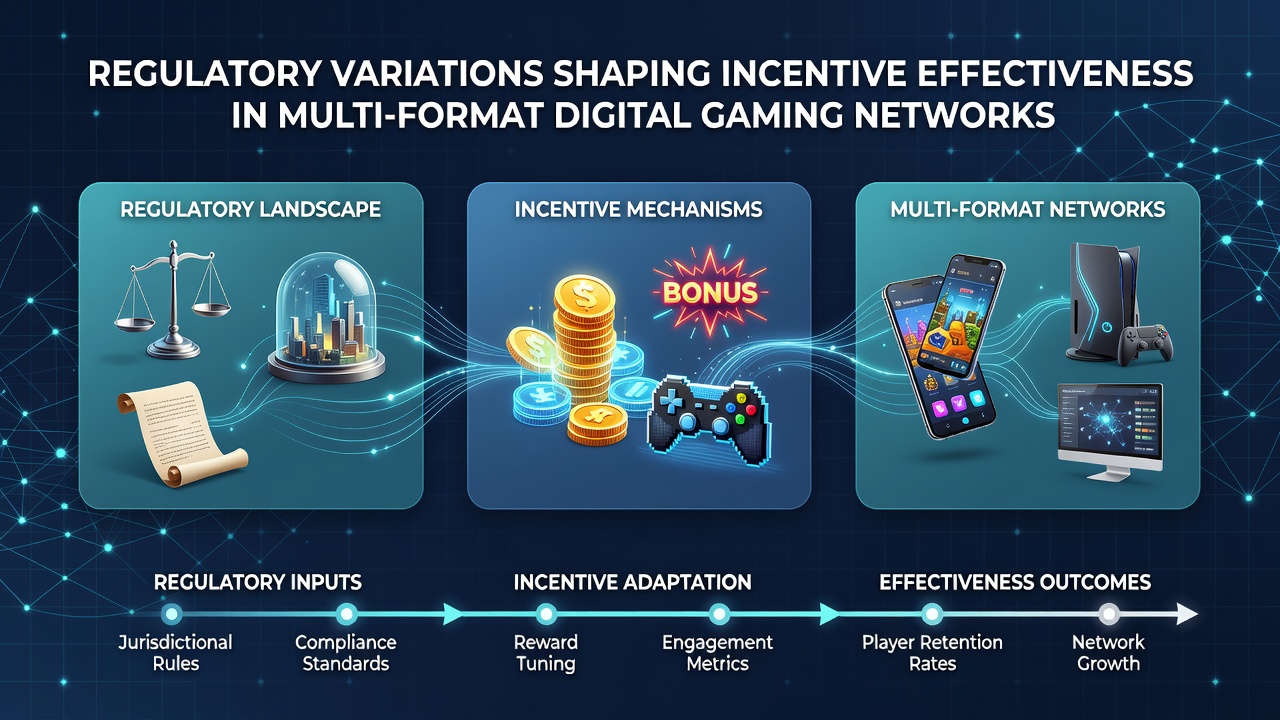
Regulatory frameworks across different regions continue to shape how operators design and deploy player incentives in digital gaming environments that span slots, table games, sports betting, and esports formats. These variations create distinct landscapes where bonus structures, loyalty rewards, and promotional mechanics must adapt to local rules while maintaining appeal in interconnected networks that allow users to switch between multiple game types seamlessly.
Jurisdictional Approaches to Bonus Caps and Player Eligibility
European markets demonstrate varied approaches where certain member states impose strict caps on deposit bonuses and free spin offers while others permit more flexible structures tied to wagering requirements that scale with game volatility. Data from industry reports indicate that platforms operating across borders often segment their incentive offerings by user location to comply with these differences and data shows that players in regulated environments with tighter caps experience reduced access to high-value welcome packages compared to less restricted areas.
North American jurisdictions present another layer of complexity since individual states and provinces maintain separate licensing standards that affect how cross-platform loyalty programs function. Observers note that operators in these markets frequently adjust reward point accumulation rates and redemption options based on the specific regulatory environment of each player which helps maintain compliance without disrupting engagement across slots and live dealer formats. Research from academic studies reveals that such adaptations have led to increased use of location-based segmentation tools in multi-format networks since October 2026.
Impact on Loyalty Mechanisms and Cross-Format Rewards
Operators managing networks that combine RNG-based games with live dealer experiences and esports betting must navigate rules that limit the transferability of rewards between formats. In regions with stringent anti-money laundering requirements, incentives tied to high-volume play often face additional verification steps that slow reward delivery and figures from regulatory filings indicate this creates measurable differences in player retention rates between jurisdictions.
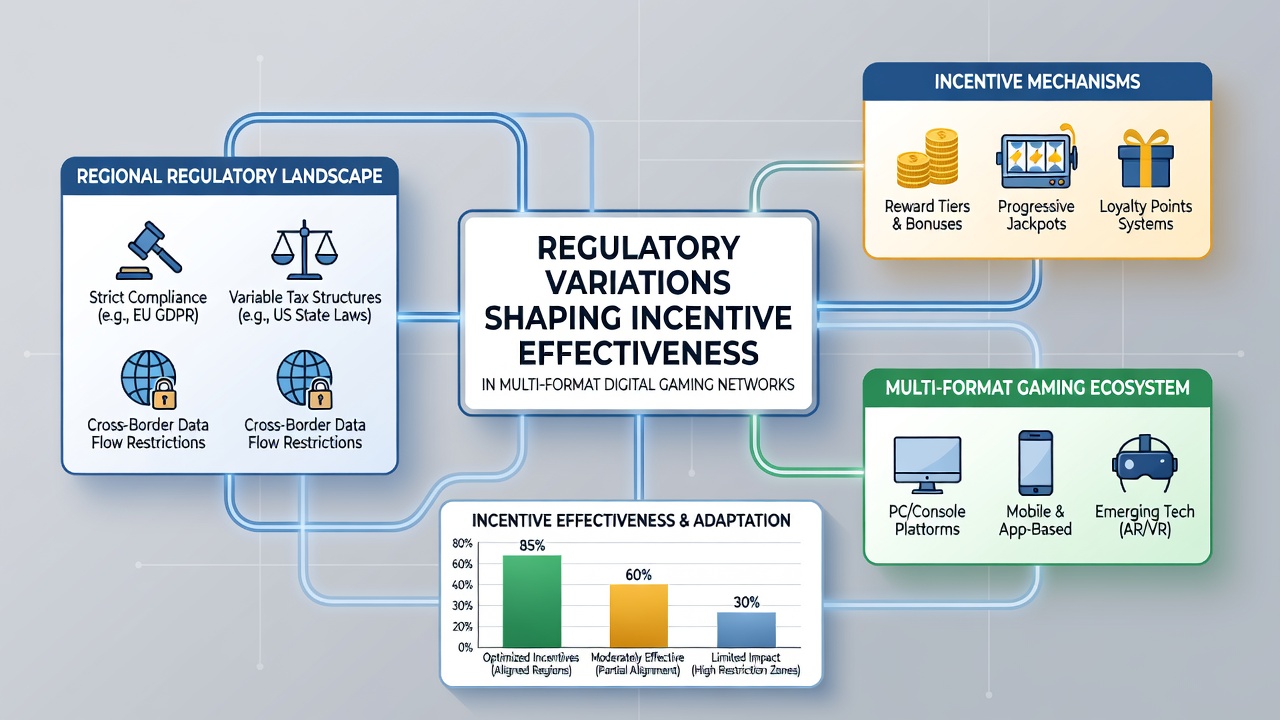
Asia-Pacific markets introduce further distinctions where some countries prohibit certain types of deposit matches altogether while neighboring regions allow tiered loyalty ladders that reward consistent activity across poker, sportsbooks, and casino-style titles. Those who've analyzed platform data find that players in permissive environments tend to maintain longer sessions when incentives can flow between formats whereas restricted markets see more compartmentalized play patterns where users focus on single game types to maximize available offers.
Technological Adaptations and Compliance Tools
Multi-format platforms increasingly rely on geofencing and dynamic content delivery systems to present only the incentives permitted in each user's location and this approach allows networks to operate efficiently without violating local statutes. Studies conducted by research institutions show that these tools have become essential since October 2026 as more jurisdictions update their digital gaming rules to address emerging game formats like hybrid esports betting experiences.
Industry associations report that operators who invest in flexible incentive architectures report smoother regulatory audits because their systems automatically adjust offer parameters based on real-time compliance checks. This capability proves particularly useful in environments where rules around free-to-play elements and cashable rewards differ significantly between neighboring markets.
Global Data Patterns and Emerging Trends
Comparative analyses from multiple regulatory bodies highlight that incentive effectiveness often correlates with the degree of harmonization between neighboring jurisdictions and platforms serving users across loosely aligned regions face higher administrative costs related to offer customization. Evidence suggests these costs influence how aggressively operators promote certain game formats over others depending on the regulatory burden attached to each incentive type.
Academic papers examining player behavior across borders find that networks offering seamless transitions between formats while respecting local rules achieve higher cross-format exploration rates among users and this pattern holds even when total incentive values remain comparable. The reality is that regulatory variation continues to drive innovation in how platforms structure rewards to maintain engagement without running afoul of compliance requirements.
Conclusion
Regulatory differences across global markets directly affect the design, delivery, and perceived value of incentives in multi-format digital gaming networks and operators respond by developing adaptable systems that segment offerings according to location-specific rules. Data from diverse sources including government agencies and research organizations demonstrate that these adaptations shape player participation patterns across game formats and the ongoing evolution of rules will likely sustain this dynamic through future regulatory cycles.